
NeuroMuscular Dentistry
March 5th, 2026
TMJ: Detailed Diagnostic Cone Beam Computed Tomography CBCT
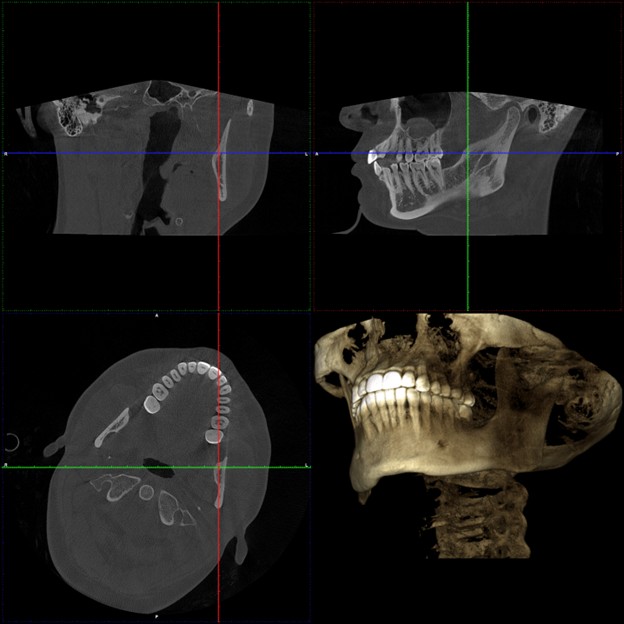
TMJ can be an overwhelming and complicated condition to treat.
It is confusing to the patient as the pain is not in the area we would think.
The Cone Scan Radiograph or CBCT we have is state of the art and gives us a .7mm voxel size. (voxel is a 3d pixel). This machine has revolutionized the way that we look at TMJ problems.
There are 3 Things that we must look at when we are to find the origin of a TMJ problem.
The Bones
The Muscles
The Teeth
If you begin with an open mouth (as if you were taking a breath through the mouth the teeth are not touching. When the muscles of mastication (chewing muscles) close the mouth they have very little resistance. When the teeth touch there is a firm stop and the muscles can build pressure. If you imagine the teeth do not line up properly then the muscles we normally chew and position the jaw with can help move into a better location. The problem is: this position pulls or pushes the TMJ into a place that causes tension. Humans tend to find that this tension isn’t comfortable so they use muscles to move the jaw. These positioning muscles were not made to pull the jaw all day long. They were made to move and rest. They were not made to be overactive. These muscles can cause or cramp up and feel pain. We observe tooth chipping called abfractions. Wear patterns called facets. Bone loss can occur around single or multiple teeth.
The place where a condyle of the lower jaw is seated properly is the middle front of the fossa. When the teeth mesh improperly or are lined up improperly with a centered position of the jaw there is continual muscle activity to help balance this place.
If the sides of the teeth touch improperly I find that a side of the jaw hurts. And if the right side touches first the left may actually hurt first.
If the front teeth touch first the front of the temples and condyle areas might hurt. This patient usually balances their improper front teeth contact by resting on their tongue. This means that there is space in the back teeth (technically the teeth are too short) the only way that they touch then moves the back jaw up. This however causes the condyles to move up and in essence pinch the articular disc. This can cause remodeling of the bones. It can cause degeneration of the disc. I rarely (of course not 100%) find people need TMJ surgery. Usually we find that there must be a correction of the occlusion.
Once we correct the occlusion the joint can exist in the proper space and not cause pain.
The way we correct the occlusion could involve wearing a removable orthotic, a bonded orthotic. In time if either of these reversible changes help (which they should) then we will discuss orthodontic tooth movement or potentially restorations which correct the occlusion.
We have many patients who have been helped just this way.
Our first important step is proper diagnosis with a well taken CBCT.